OUR BEAUTIFUL STATE AND ITS COMPLICATED PAST
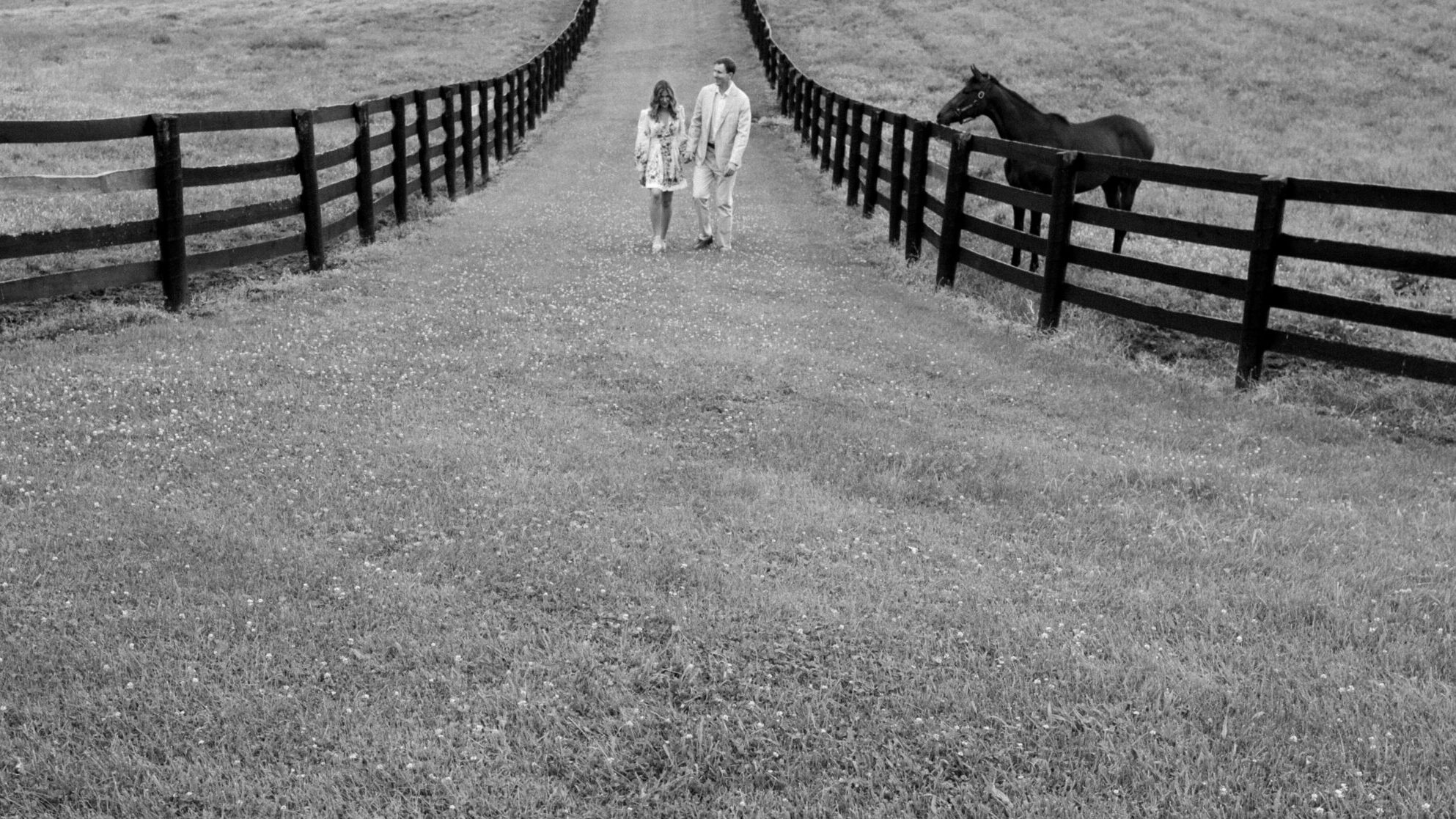
Beautiful historic properties abound in Kentucky. Grand estates overlooking rolling hills and stately mansions with formal gardens sprinkle the landscape and hold countless untold stories from the past.
Many of them now identify as wedding venues, some hiding their darker histories behind images of beautiful weddings, floral arches, and reception tents with crisp white tablecloths. But covering up history doesn’t erase it.
The abolition of slavery did not occur until 1865. And prior to that year, enslaved labor built and sustained many of Kentucky’s picturesque estates. It’s the dark reality that venue marketing too often leaves out, but as Kentucky-based wedding photographers, we believe it’s more important than ever to remember and learn from history.
We have made the decision to say NO to plantation weddings. And because we realized there was not a comprehensive resource for engaged couples to check/vet potential historical wedding venues, we felt compelled to compile this list of historic Kentucky venues that do not have documented ties to enslaved labor based on publicly available historical records.
Historic Kentucky Wedding Venues Without Ties to Enslavement
*BUT FIRST, A QUICK NOTE*
You’ll notice that several of the properties listed here were built during the antebellum era, or before the Civil War. During this period, Kentucky was a slave-holding state, and African Americans, both enslaved and freed, very literally built many of its towns. While information regarding the lives and experiences of enslaved people on specific properties throughout Kentucky is often in public records, other times it is scarce and hard to verify. This is due to enslaved individuals being widely barred from literacy and documentation.
This list is by no means comprehensive, and some details are impossible to verify with the information available — but nevertheless, we hope it serves as a helpful resource for the engaged couples thoughtfully and responsibly planning their Kentucky weddings.
1. Whitehall House & Gardens (Louisville, KY)
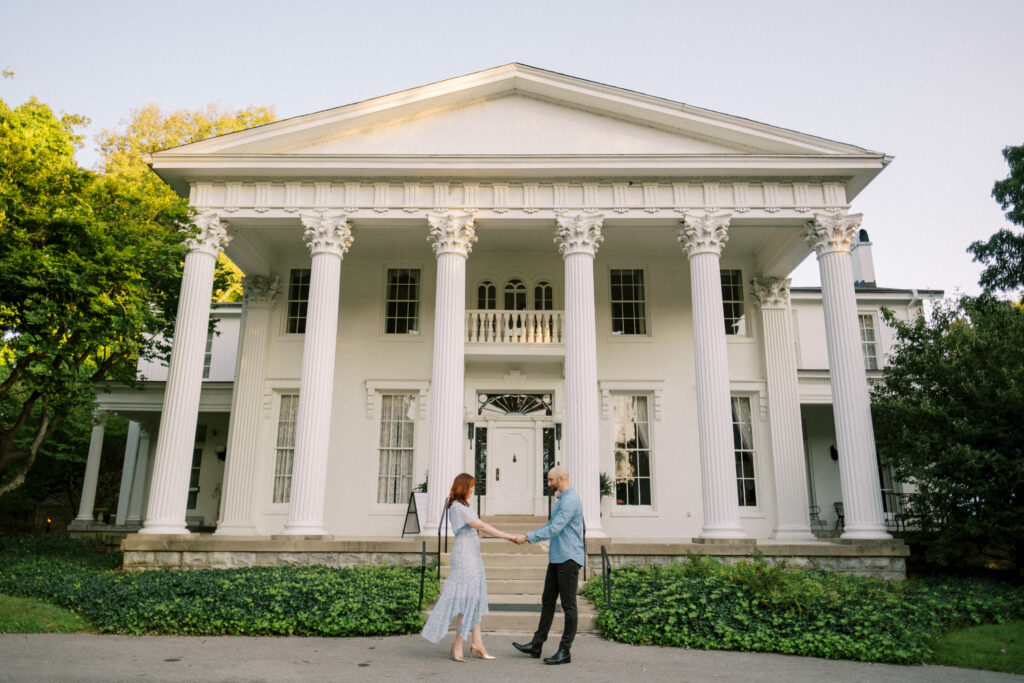
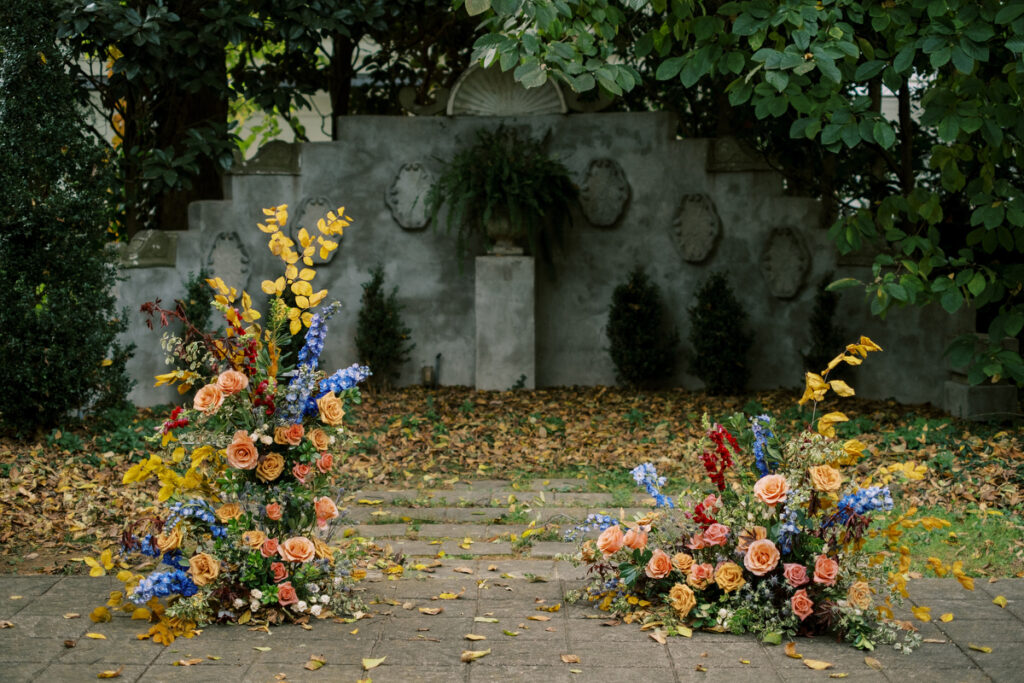
Whitehall House & Gardens is a beautiful historic estate in Louisville, KY with sprawling gardens. Although it was built in the 1850s and therefore considered “antebellum”, public records show no history of enslaved labor on the property. Whitehall offers multiple ceremony & reception locations (both indoors & outdoors), beautiful, well-maintained gardens, and timeless architecture.
See real Whitehall House & Gardens Weddings HERE
2. Spindletop Hall (Lexington, KY)
Built in the 1930s, Spindletop Hall is a stunning 20th-century mansion with gorgeous architecture and scenic grounds. Because it was constructed long after slavery was abolished, its past is free from any history of slavery.
It currently operates as a private country club and wedding venue, offering gorgeous backdrops both indoors and outdoors (our favorite rooms have got to be the library & dining hall, which have a bit of an old English flair). Tucked away in Lexington horse country and surrounded by countryside, Spindletop offers ample space for couples to host their entire day on-site, from getting ready all the way through the reception.
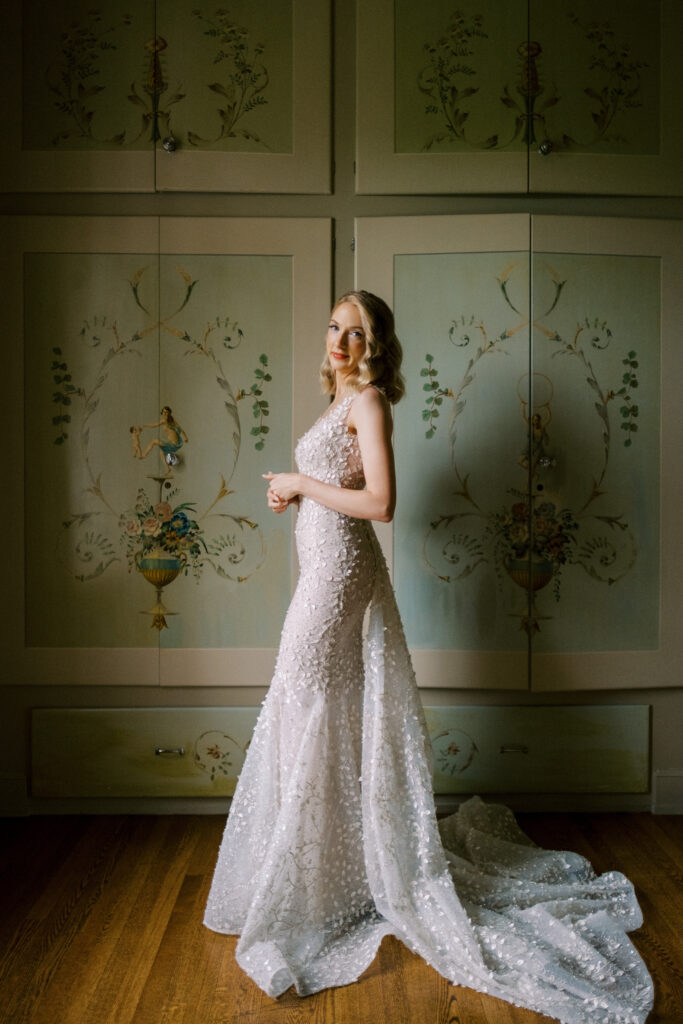
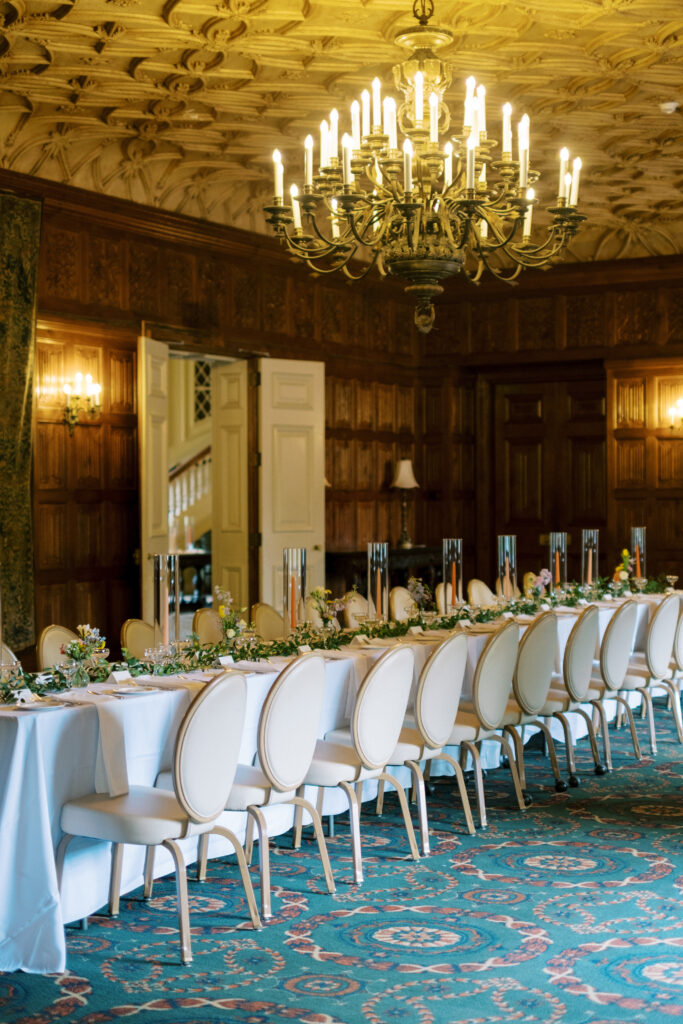
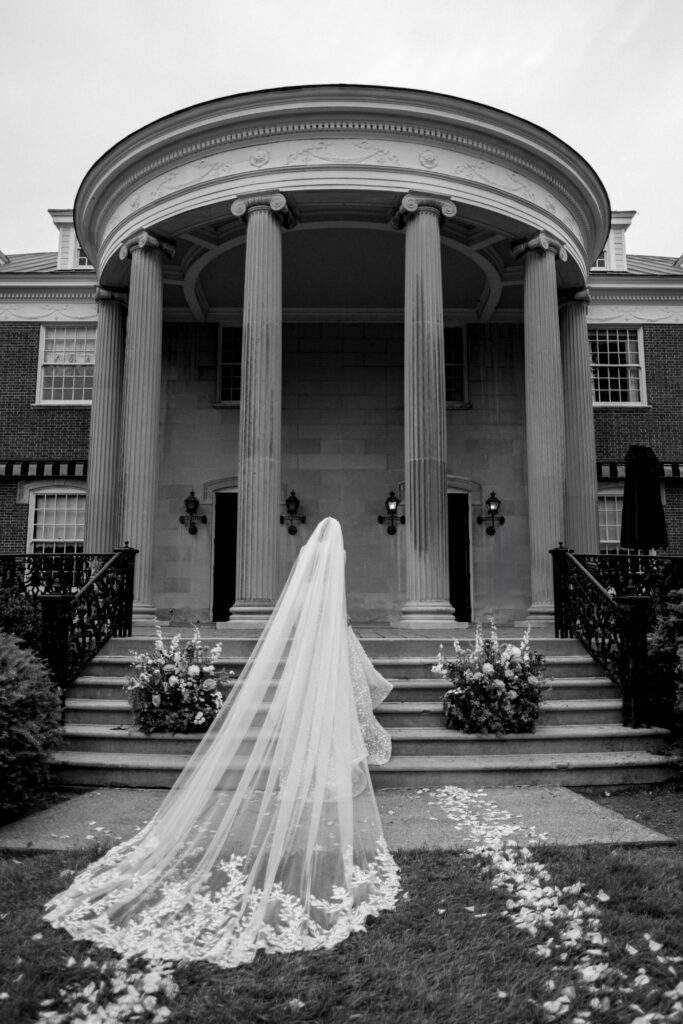
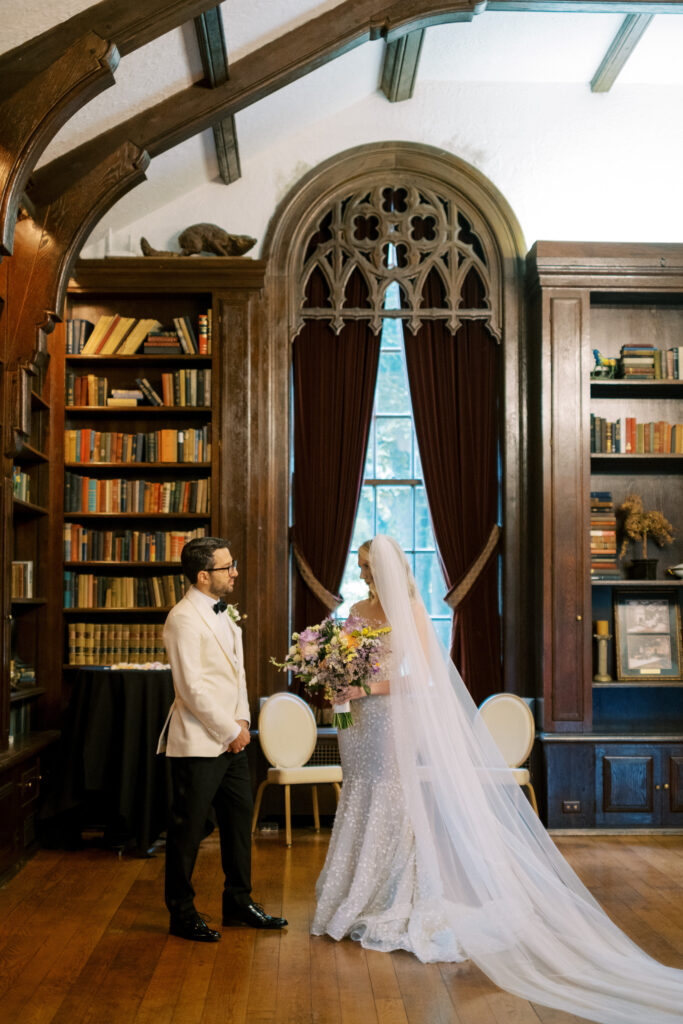
See a real Spindletop Hall Wedding HERE
3. Ashford Acres Inn (Cynthiana, KY)
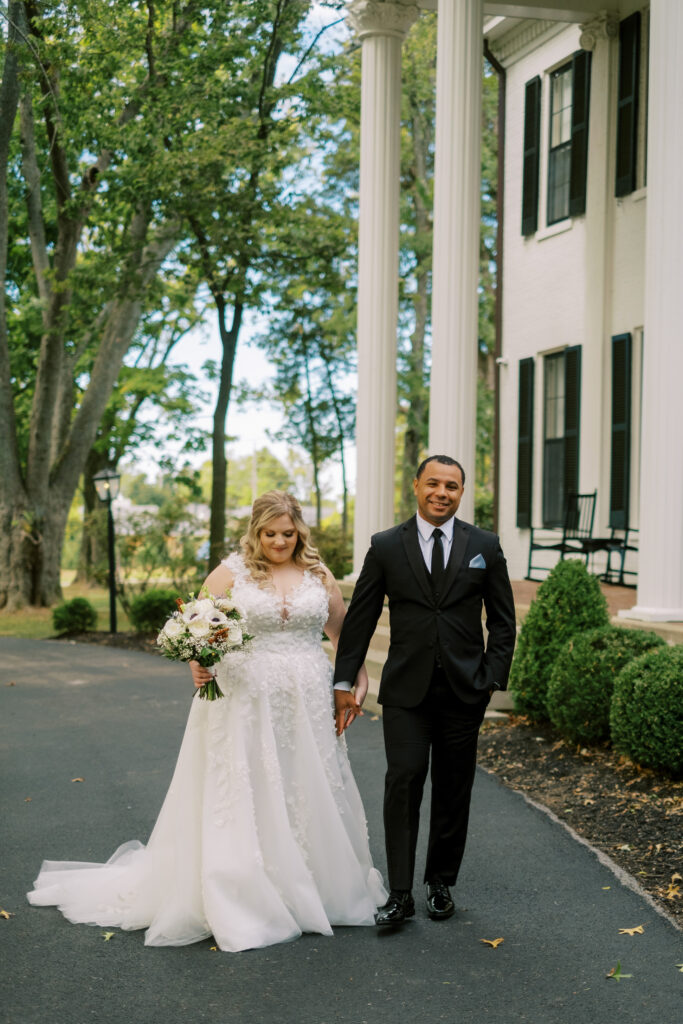
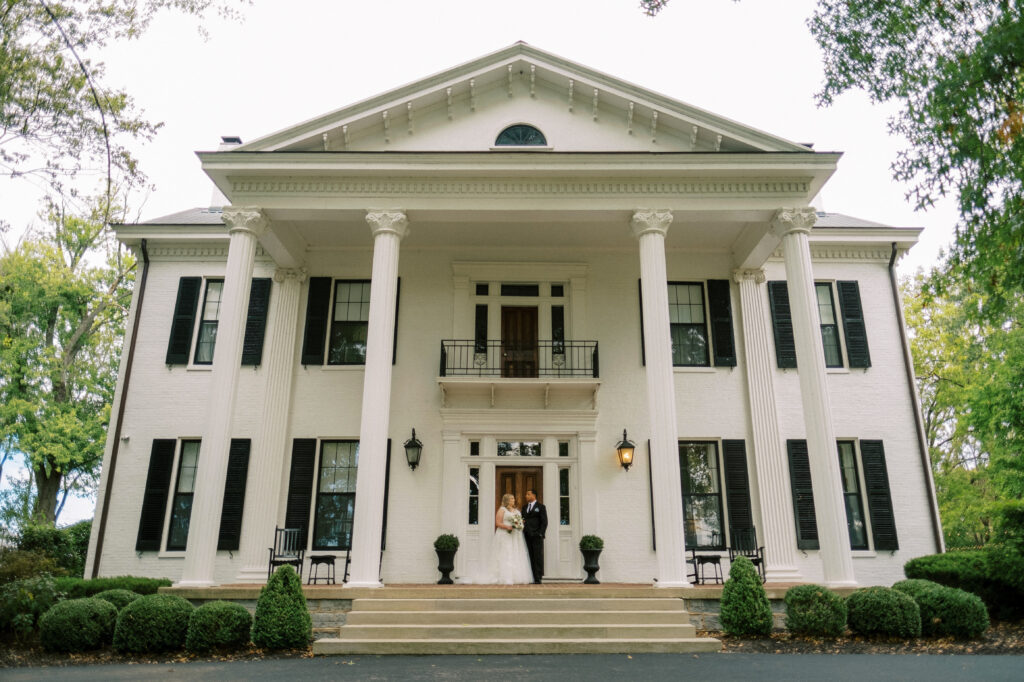
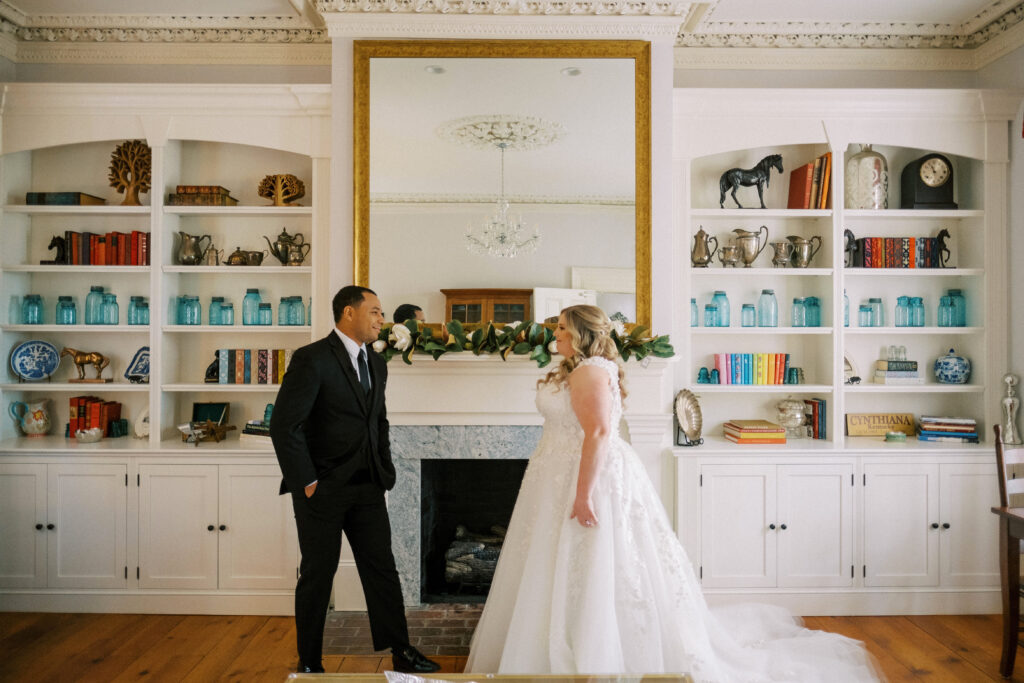
Ashford Acres Inn in Cynthiana (just north of Lexington) is a historic Greek Revival home. Originally built in 1858 and therefore considered antebellum, there is no documented evidence that it operated as a plantation or was worked by enslaved people. It functioned as a private residence through most of its history, and even acted as a Civil War hospital.
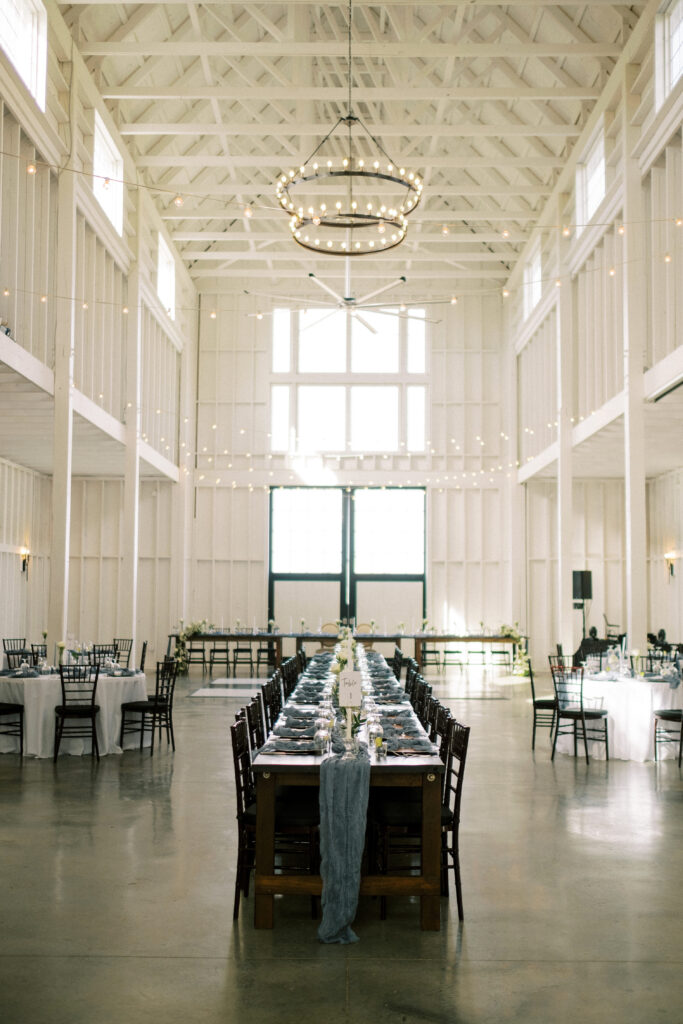
The inn was completely renovated and turned into a bed‑and‑breakfast and event venue in 2016, with the addition of a massive, light-filled event barn.
4. Ironwood Farm (Bowling Green, KY)
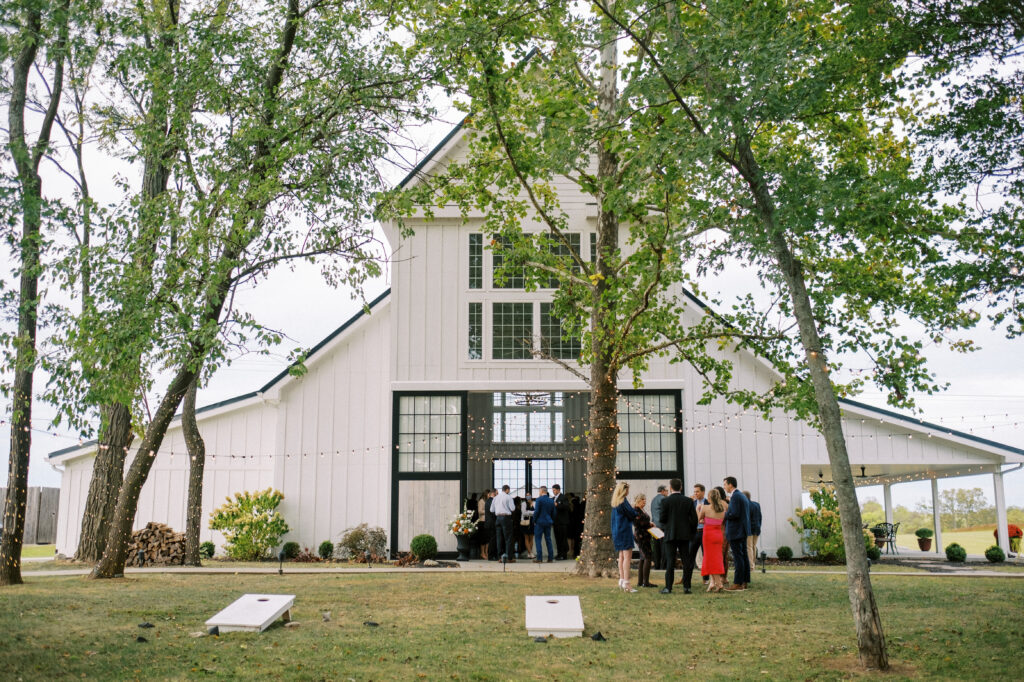
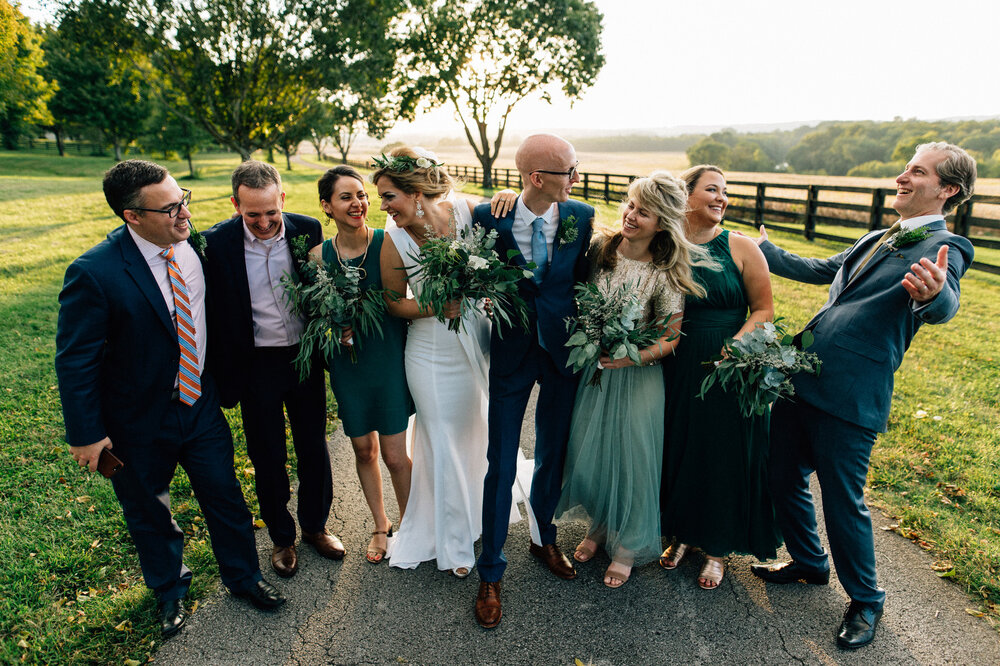
Historic Ironwood Farm in Bowling Green, KY is part of a pre‑Civil War estate built in 1852. Built by Kentucky state senator Joseph Underwood and his wife, Elizabeth Cox, public records do not document enslaved labor at this site. In fact, Senator Underwood was a staunch opponent of slavery and outspoken emancipationist, freeing enslaved individuals on multiple occasions and supporting the Union in the Civil War.
Ironwood offers the classic “Kentucky horse farm” aesthetic, with an elegant barn and perfect sunset views of 500 acres of southern Kentucky’s rolling hills. The venue is situated near Barren River and the historic Old Richardsville bridge, a popular photo-op for couples.



See a real Ironwood Wedding Gallery HERE
5. Baker Arboretum & Downing Museum (Bowling Green, KY)
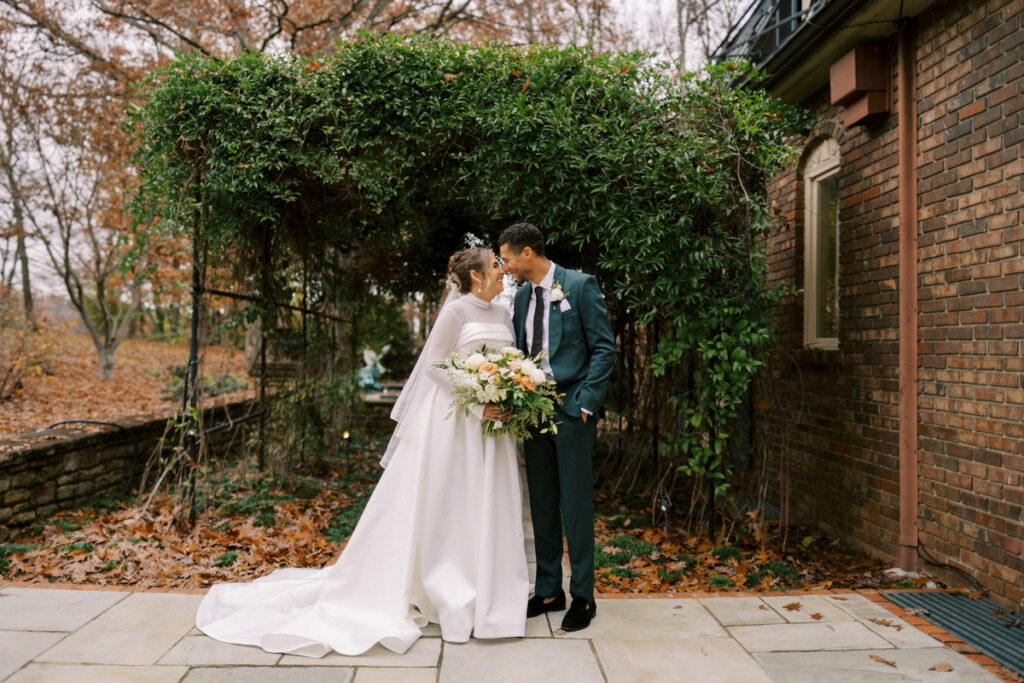
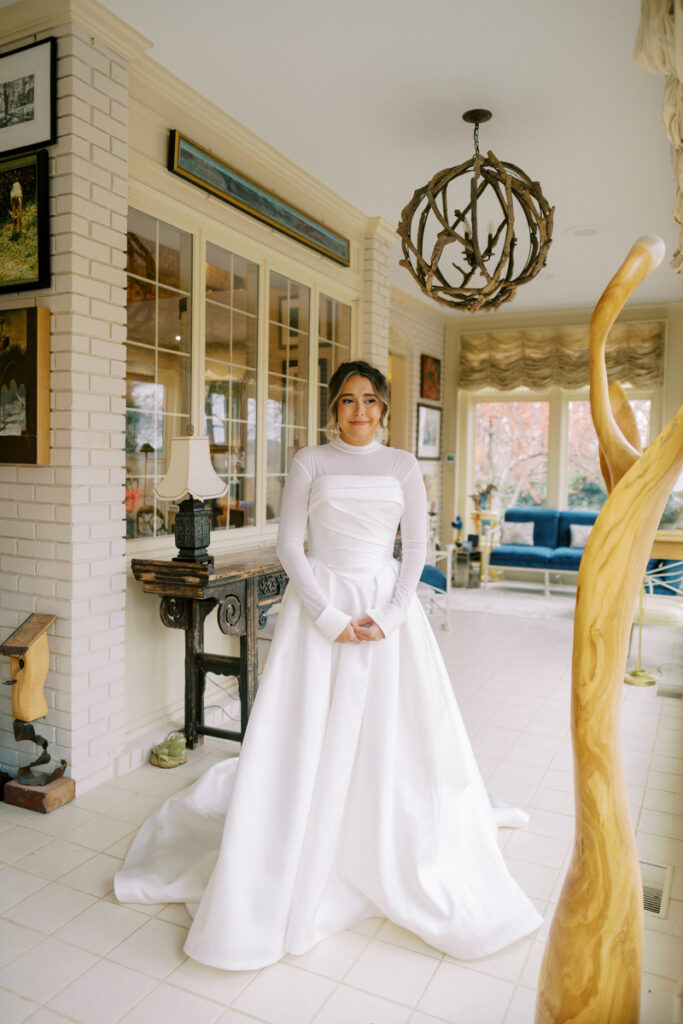
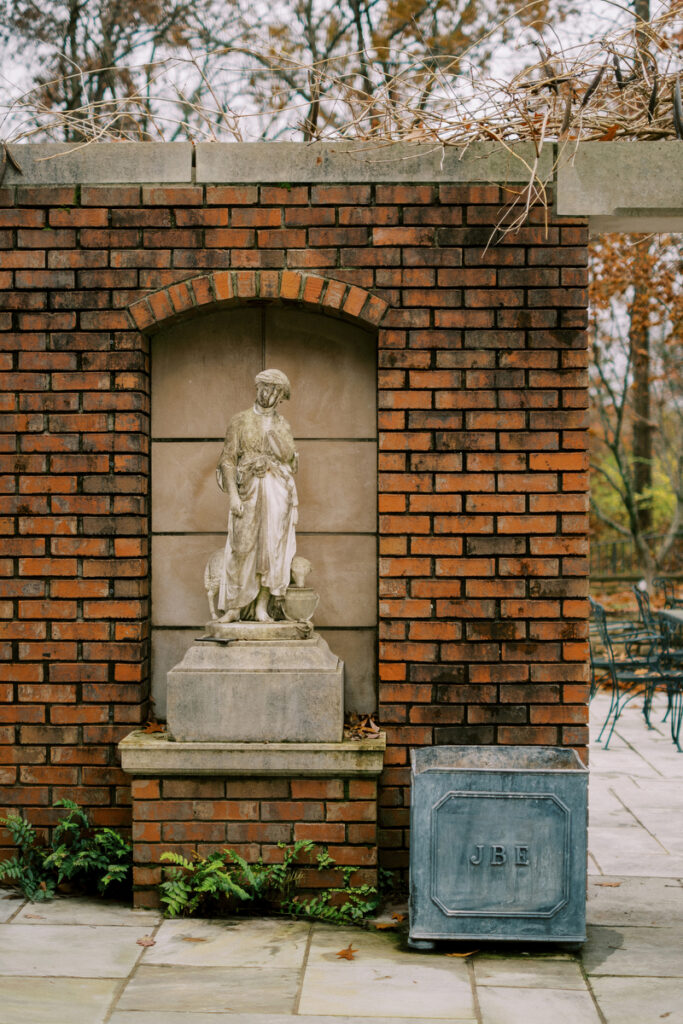
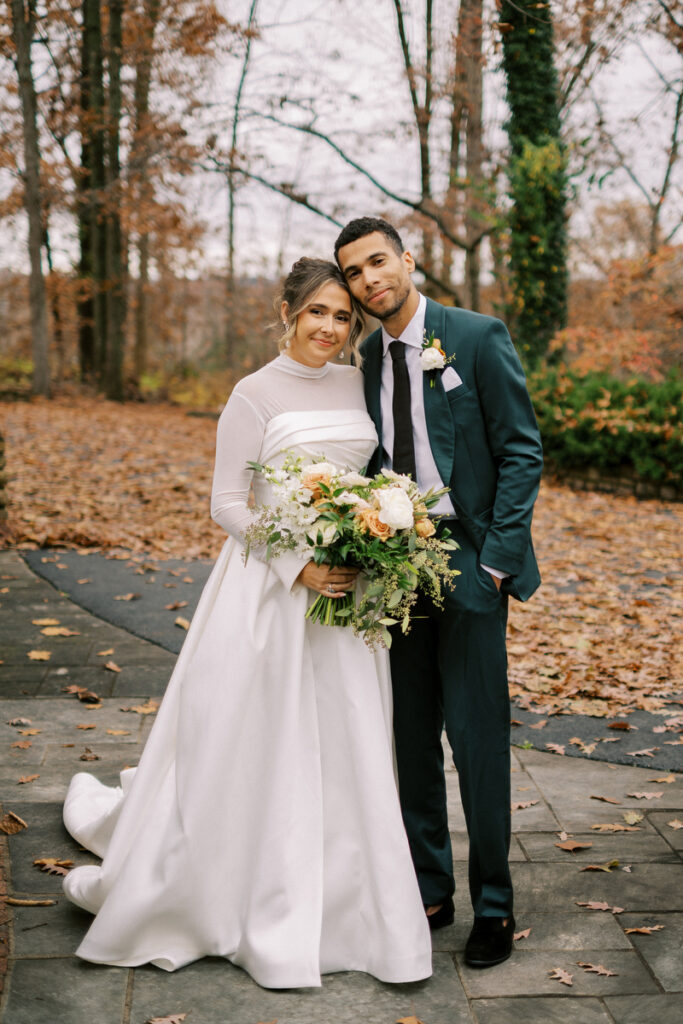
A serene garden estate with art and antique-filled interiors, this venue offers both indoor and outdoor ceremony options surrounded by lush landscaping.
Developed in 1992 by Jerry Baker, the Baker Arboretum covers nearly 115 acres built on a ridge of rolling hills on the outskirts of Bowling Green The home itself provides a beautiful, light-filled, and unique “getting ready” space for couples and their wedding parties.
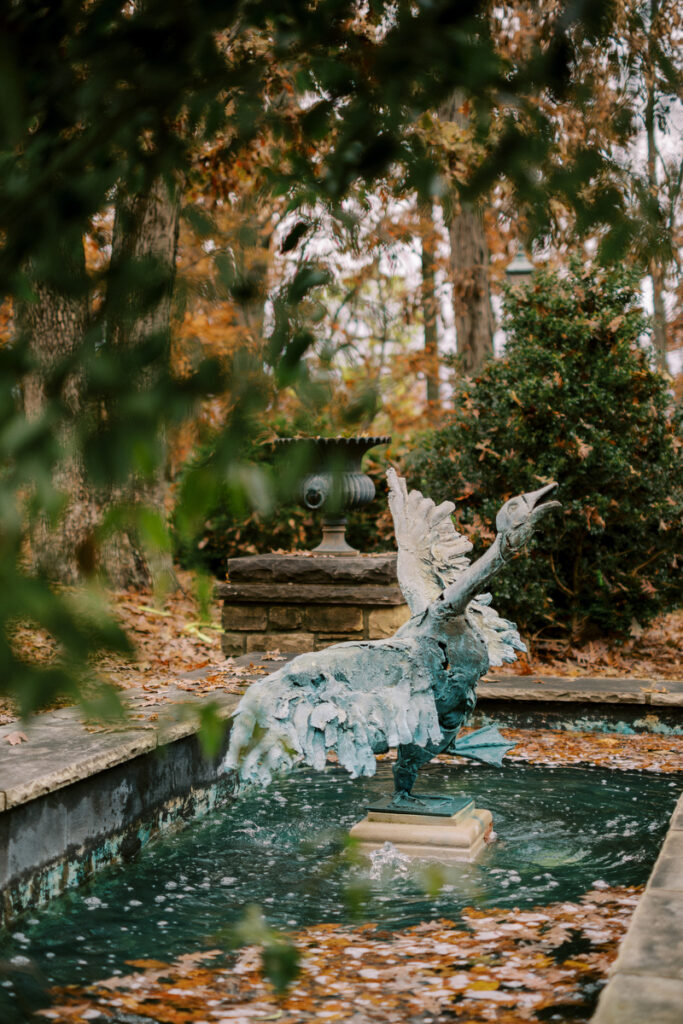
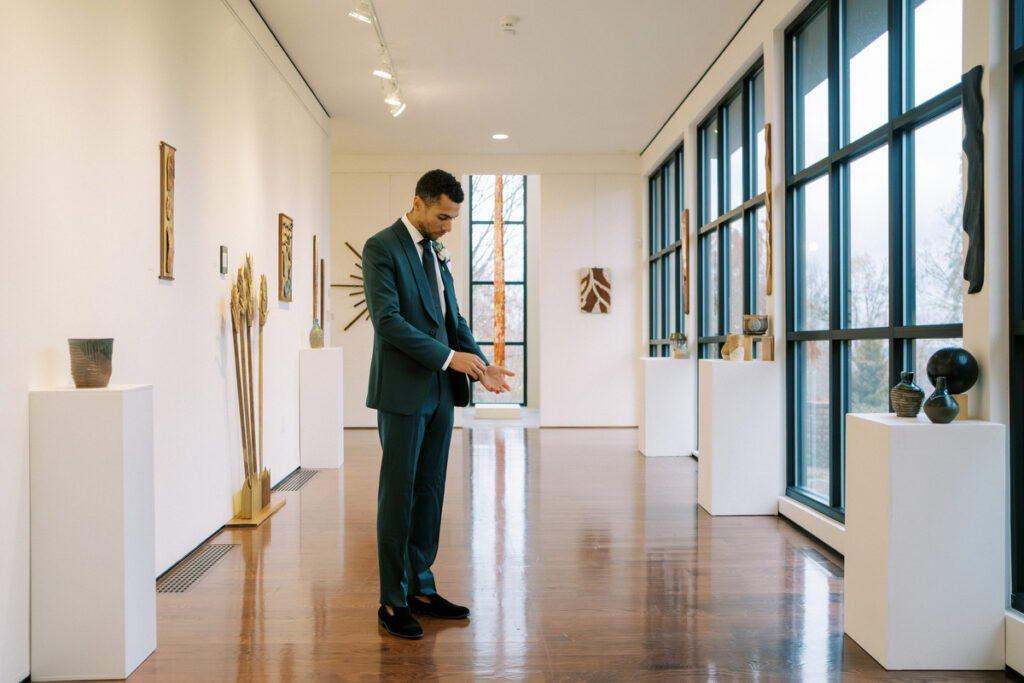
Baker Arboretum is also home to the Downing Museum, an incredible hidden gem tucked away in the trees. Built to celebrate the life and work of southern Kentucky artist Joseph Downing, the museum acts as an exhibition space for local, state, and nationally-recognized artists. It also provides another unique “getting ready” space for couples and their wedding party.
Baker Arboretum & Downing Museum is perfect for couples who want to infuse their day with unique, artful, historic charm with absolutely no ties to slavery.
See a real Baker Arboretum Wedding HERE
6. The Venue at 939 Adams (Bowling Green, KY)
The Venue at 939 Adams Street in Bowling Green originally served as a tobacco plant, but was reopened in 2017 as an event venue. Located in the historic Shake Rag district, a prominent African American community, the historic brick warehouse was constructed around 1913-1914, long after the abolition of slavery.
One of the most unique venues in Kentucky, 939 Adams offers an authentic historic vibe with industrial flair. White walls, original hardwood floors, and lots of window light make it a beautiful location for wedding ceremonies & receptions.
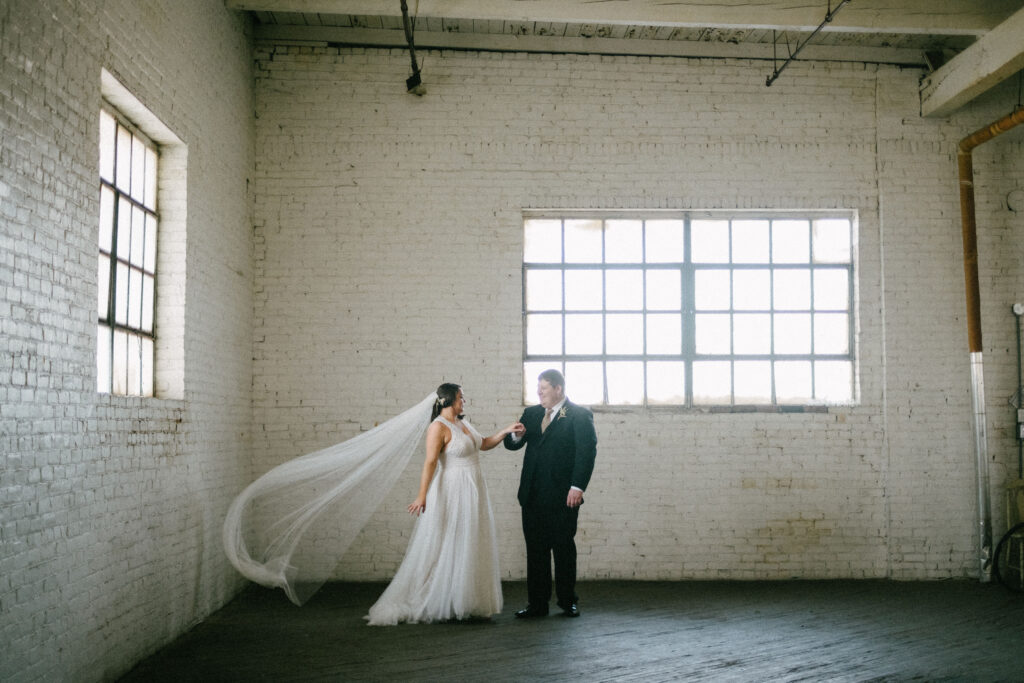
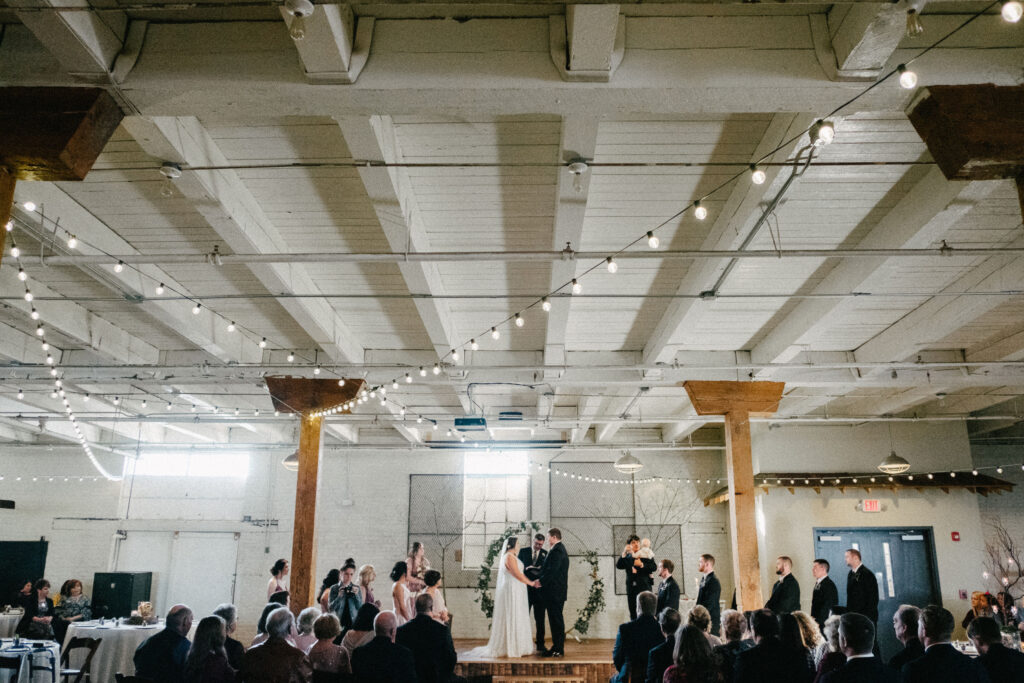
See real 939 Adams Wedding Galleries HERE
7. Yew Dell Botanical Gardens (Crestwood, KY)
Yew Dell Botanical Gardens began as the home and nursery of horticulturist Theodore Klein and his family. After his passing in the late 1990s, the property was preserved and transformed into a public botanical garden rather than being lost to development.
Today, it spans 60 acres of gardens, research areas, and thoughtfully restored structures. It is listed on the National Register of Historic Places and serves as a center for plant education and community engagement, rooted in horticulture and preservation (not plantation agriculture).
Today, the open-air terraces, lush gardens, and historic buildings (like the iconic stone castle and Cotswolds-inspired bridal cottage) make it a dream wedding venue. There is SO much historic charm at Yew Dell, and the best part is that it has absolutely zero documented ties to enslaved labor.
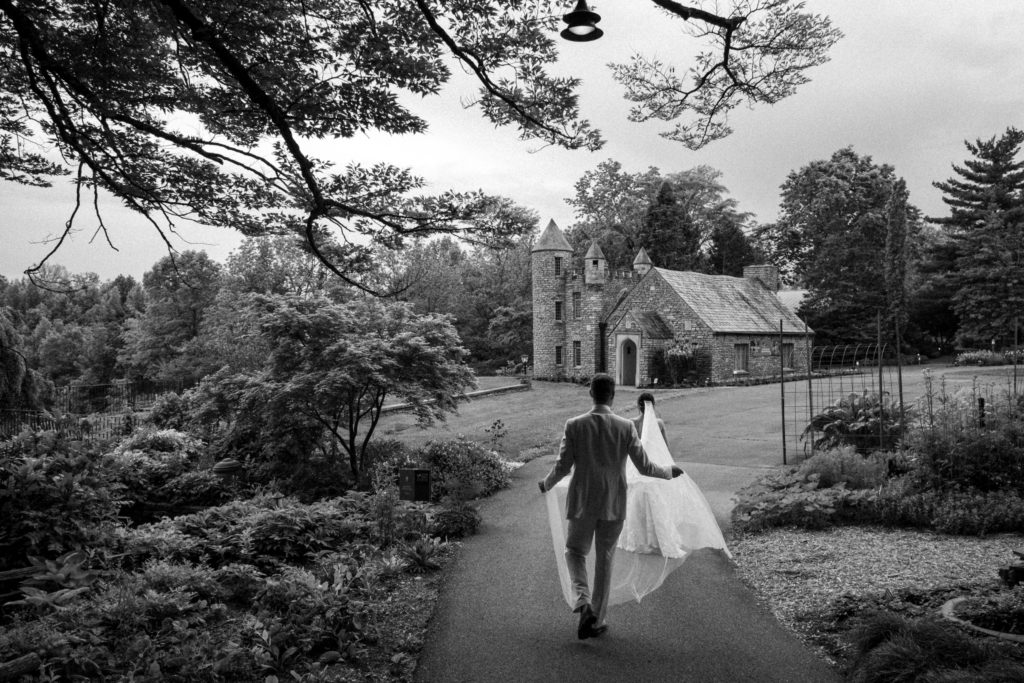
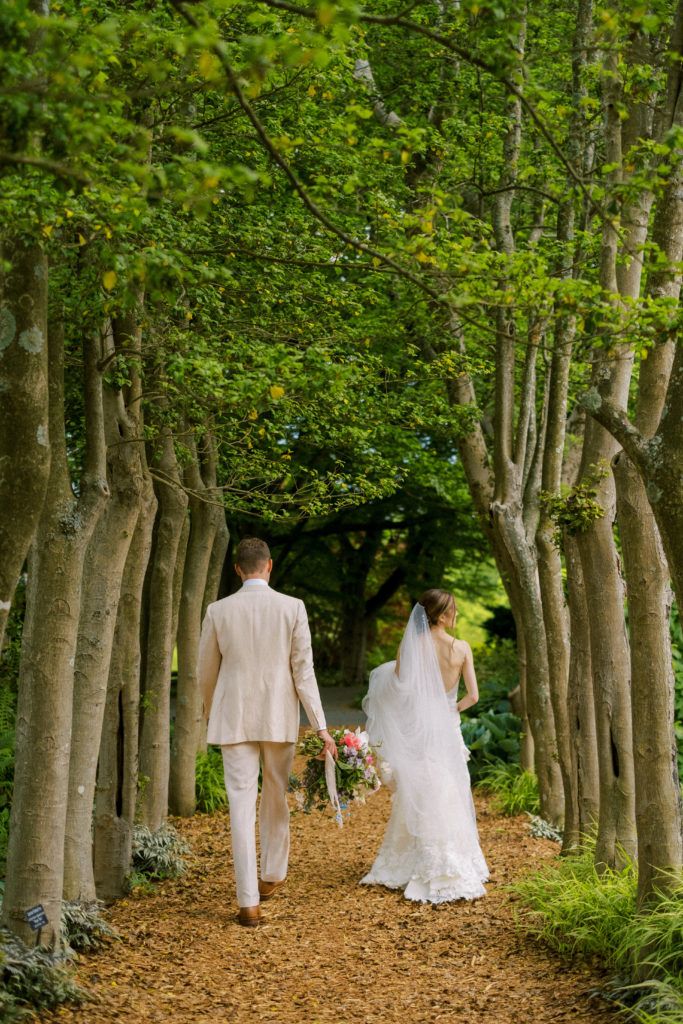
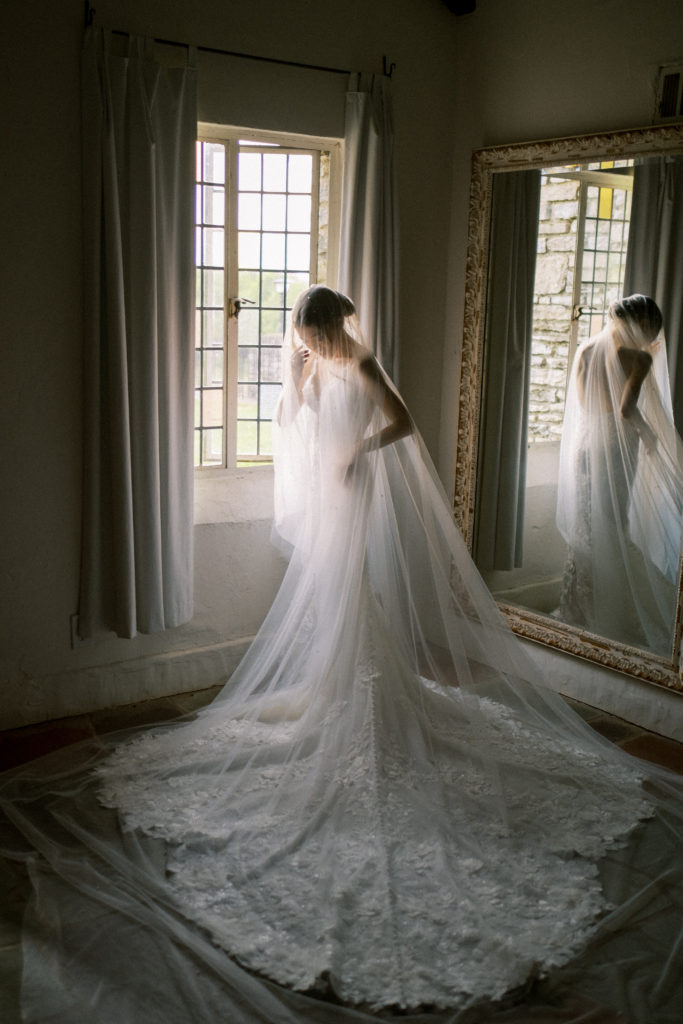
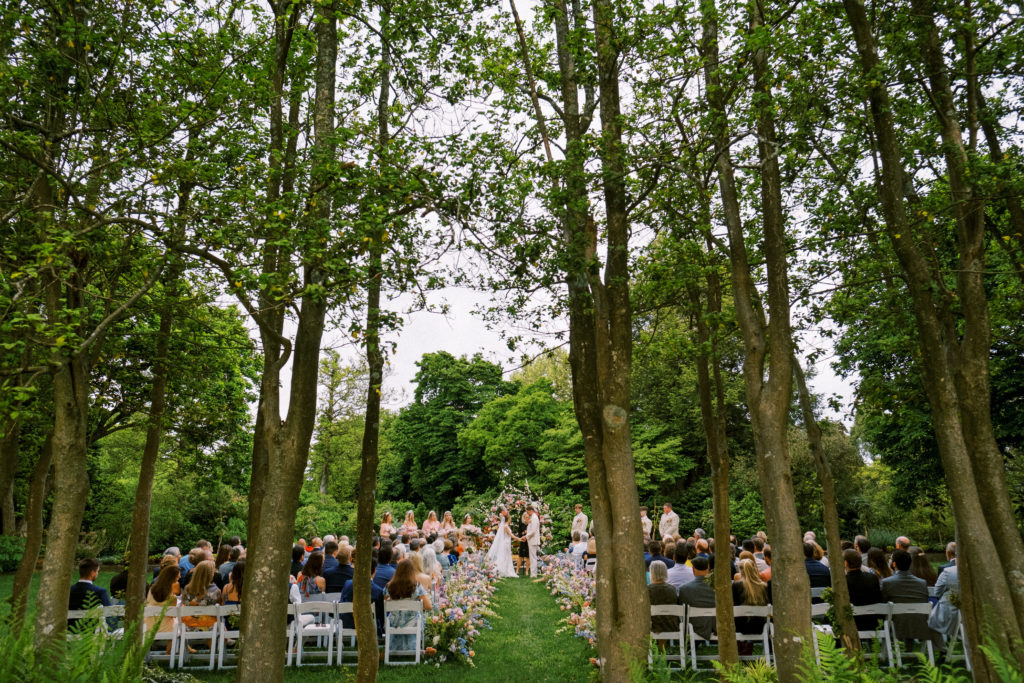
See a real Yew Dell Wedding Gallery HERE
8. Lost River Cave (Bowling Green, KY)
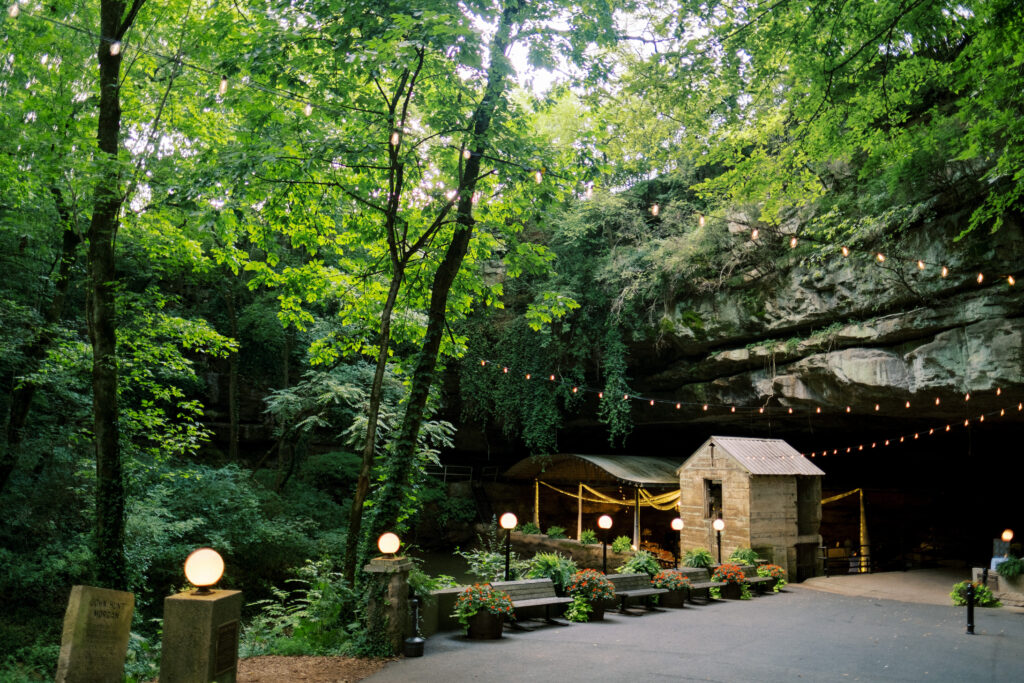
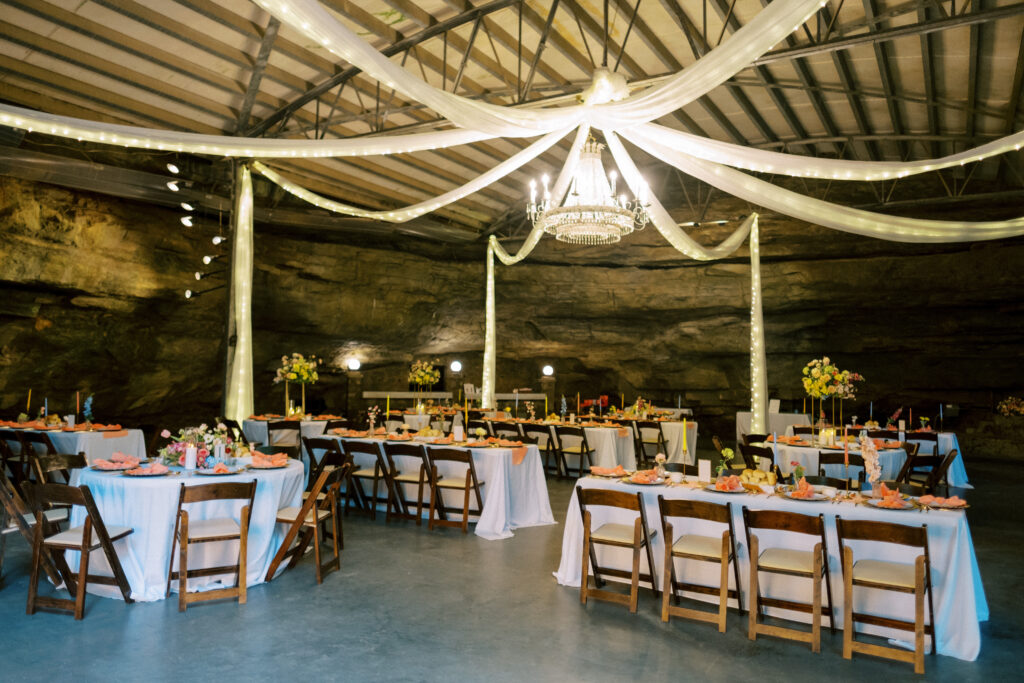
While not a “building,” Lost River Cave is a VERY historical property with absolutely zero documented historical ties to slavery. This natural cave system and surrounding park has a long history; from thousands of years of Native American usage, to being a popular campsite for Civil War soldiers, to the actual cave itself serving as a speakeasy/ballroom during the Prohibition Era (and allegedly, Jesse James hid out here after robbing a bank in Russellville!), this cave has many interesting stories to tell. Today, it serves as a public nature space and nonprofit. The proceeds from weddings held in the cave directly benefit keeping the park open to the public.
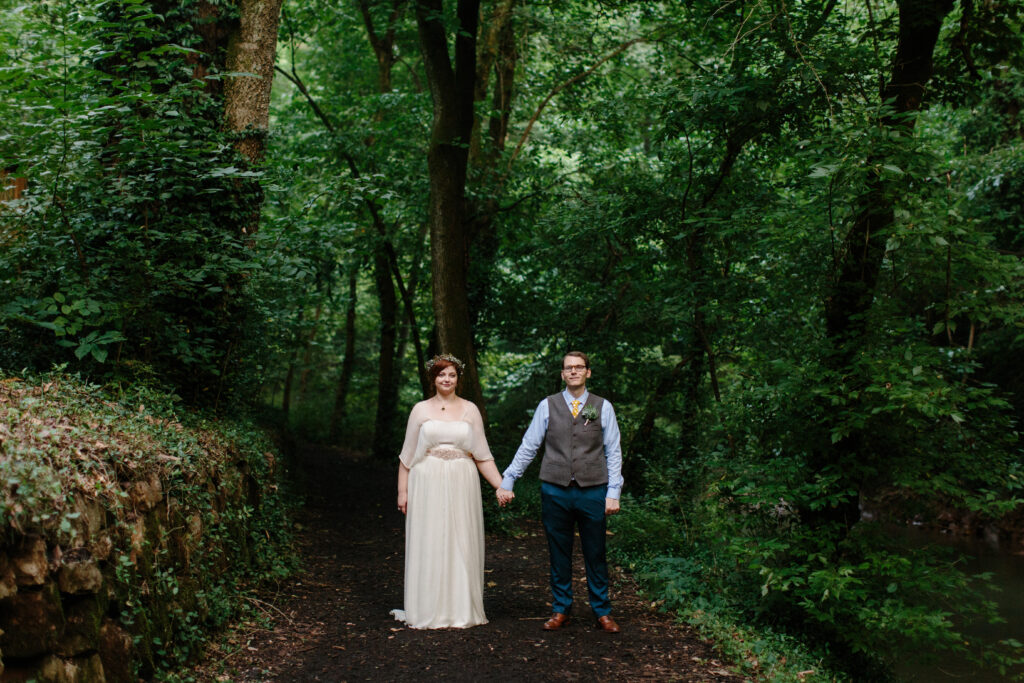
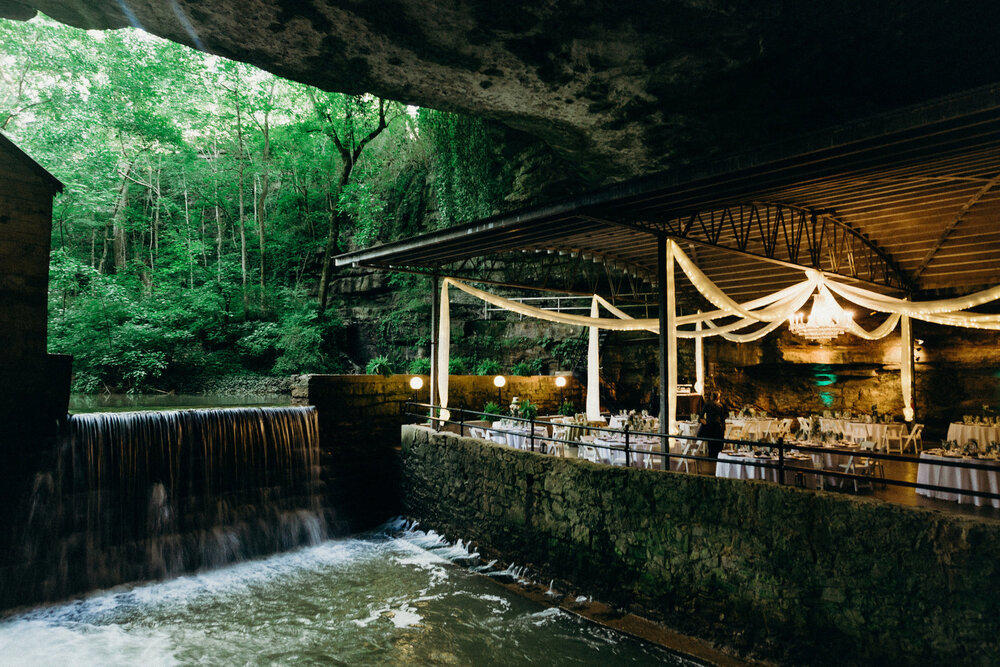
See real Lost River Cave wedding galleries here
9. Tayvin Gardens (Smith’s Grove, KY)
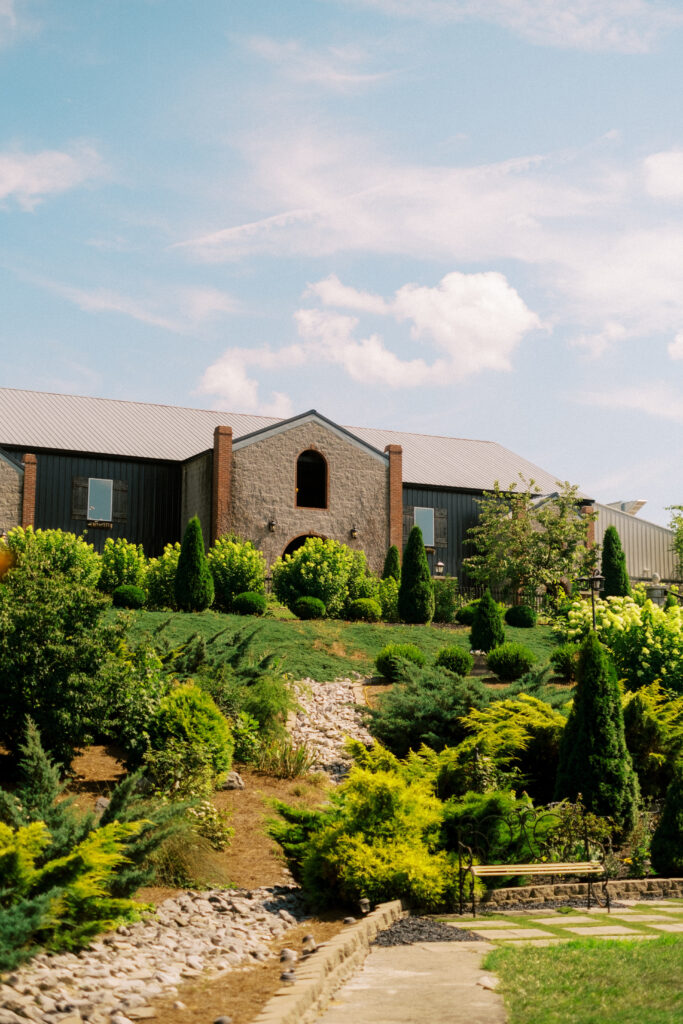
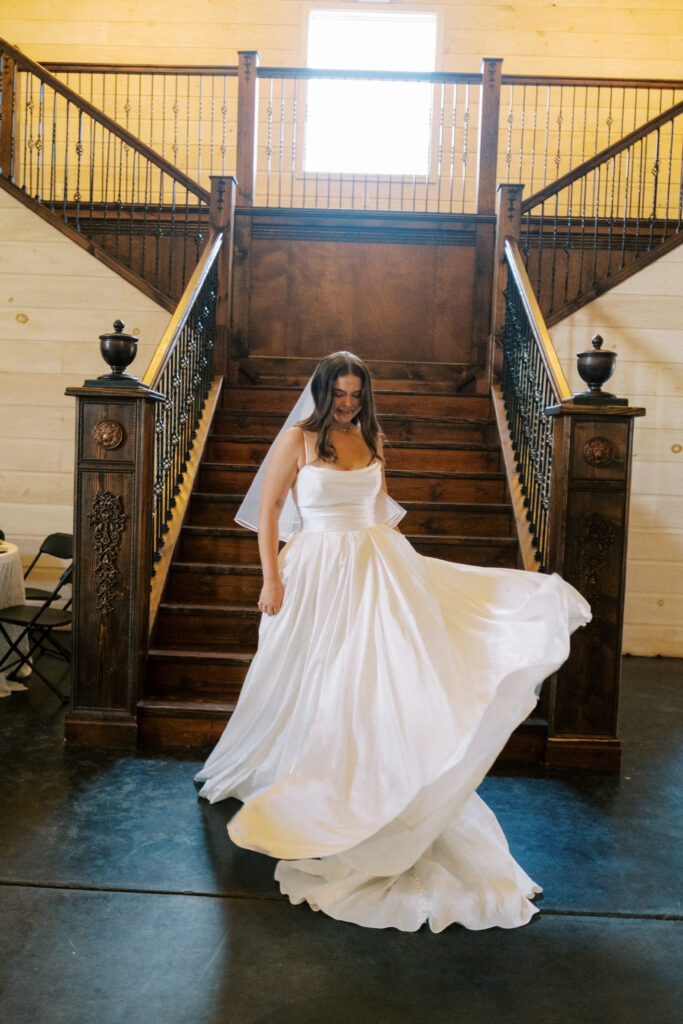
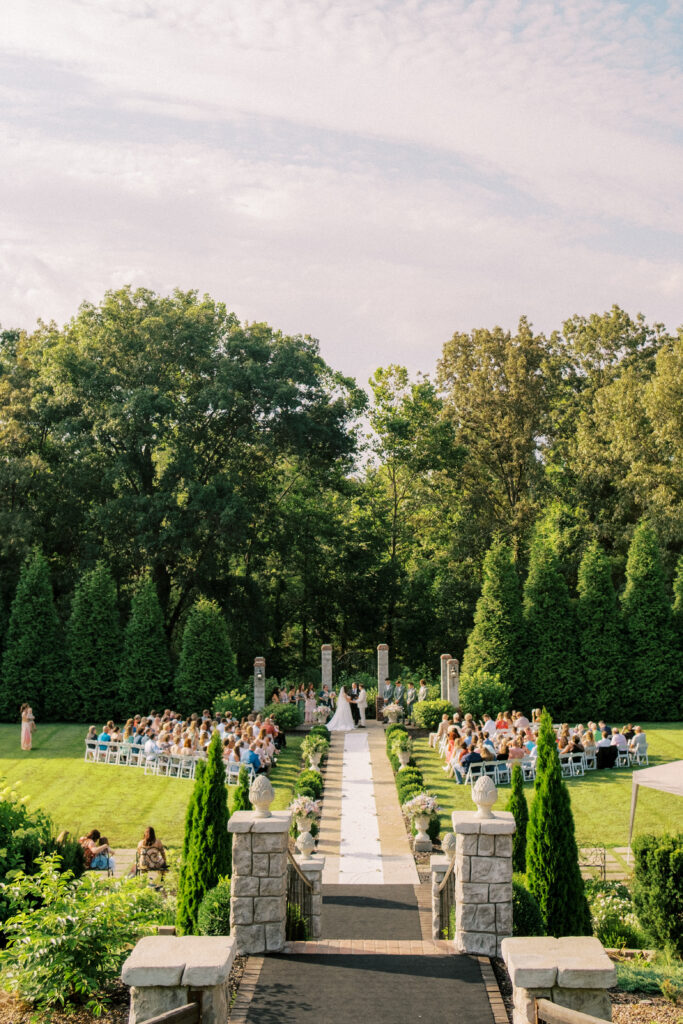
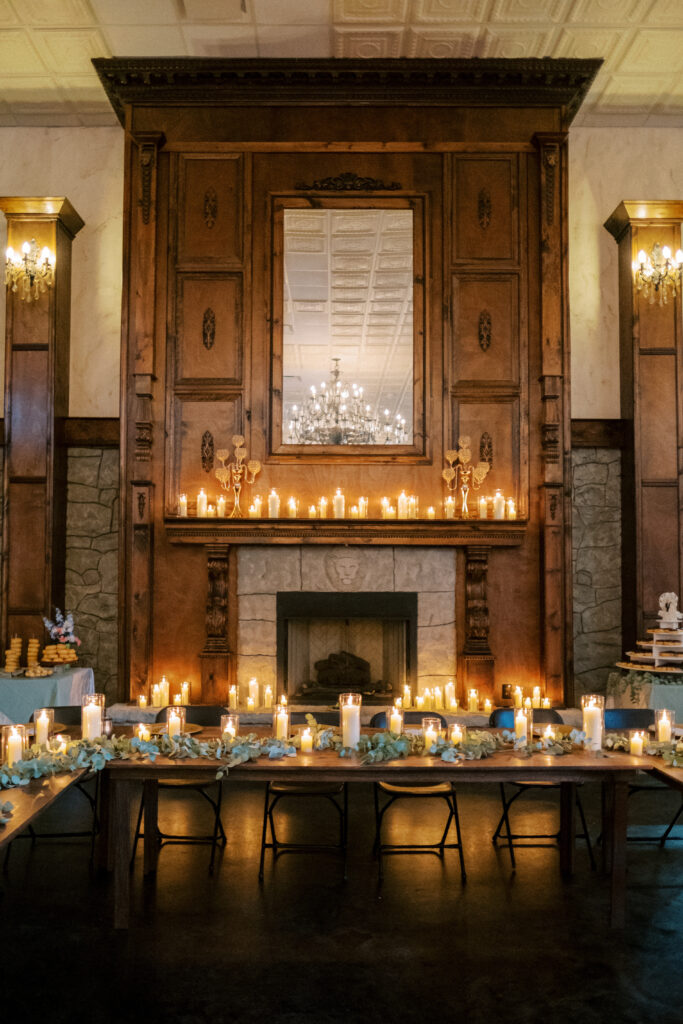
Tayvin Gardens, which was built in 2018 by local chef Brittany Vincent and her family, is southern Kentucky’s premier garden venue. Though this not a “historic” property, this 36-acre estate was inspired by Old English Garden Manors, with the “Venue House” featuring a stone arch balcony, custom castle doors, grand staircase, and magnificent floor-to-ceiling fireplace, all overlooking it’s iconic terraced garden.
Tayvin Gardens also boasts it’s own gourmet kitchen and in-house caterer, The Linen Apron (hands-down, one of our FAVORITE catering companies in Kentucky). Couples seeking the old-world charm of an English estate in southern Kentucky without any dark history can rest assured knowing that Tayvin Gardens was built within the last ten years.
See a real Tayvin Gardens Wedding Gallery HERE
10. East Ivy Mansion (nearby in Nashville, TN)
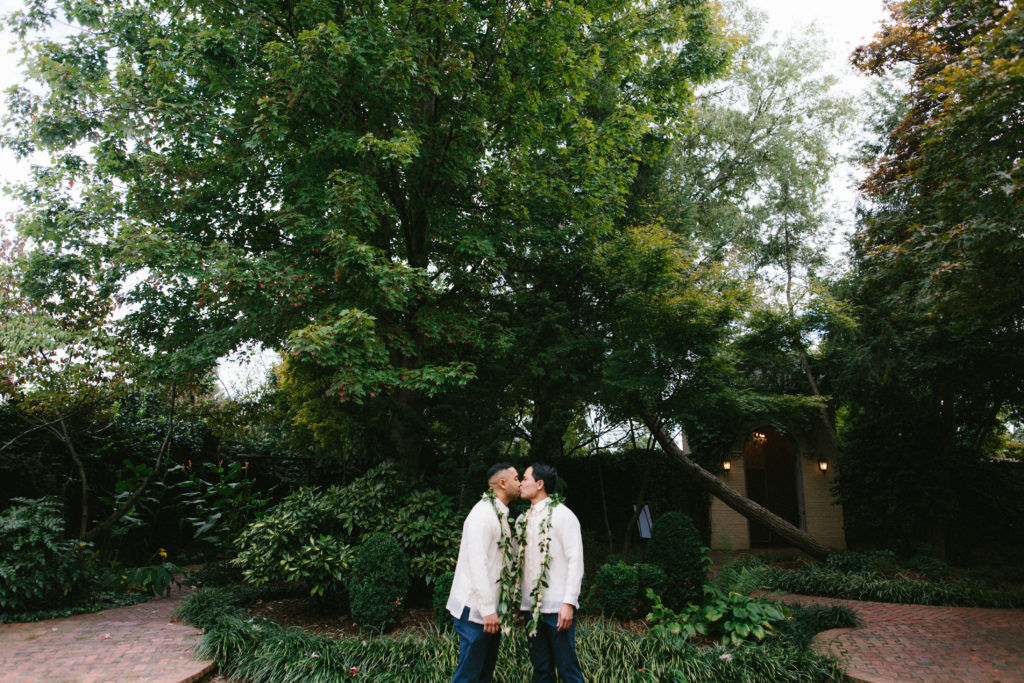
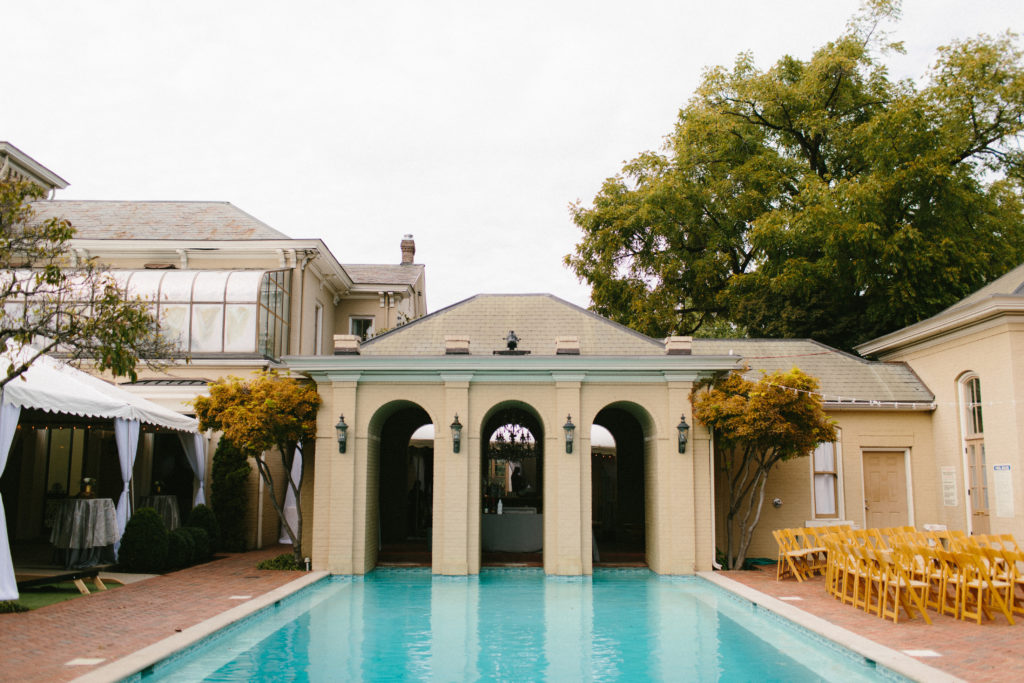
East Ivy Mansion, built just after the Civil War and the abolition of slavery, boasts historic charm without any direct ties to slavery. Its architecture and historic details create an elegant backdrop for couples seeking a historic feel with a clear conscience.
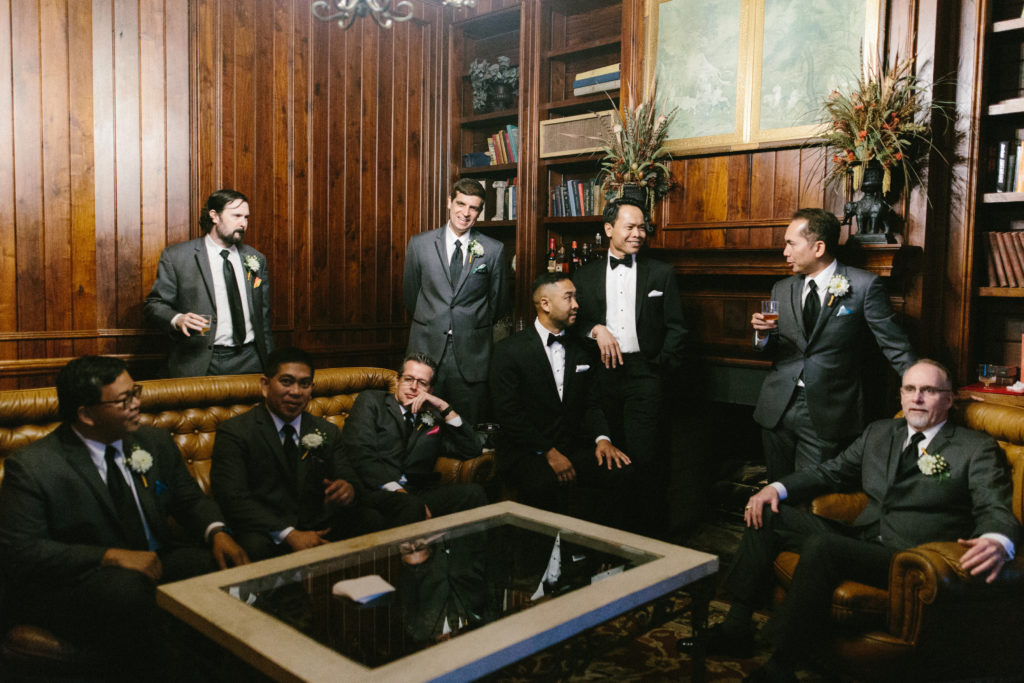
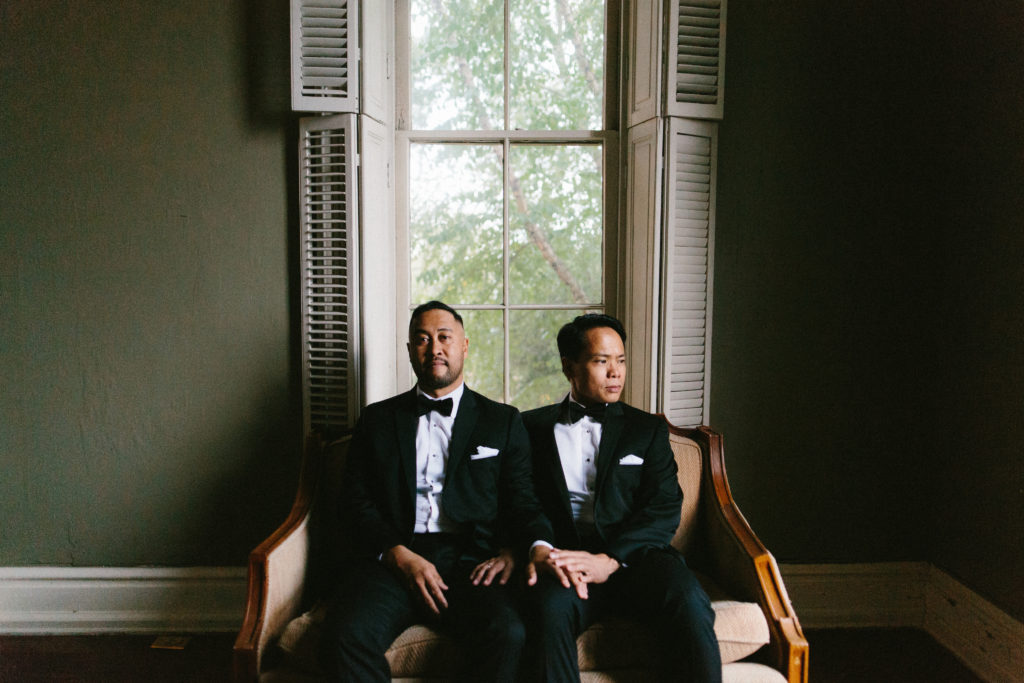
See a real East Ivy Mansion Wedding HERE
11. Wightman Chapel at Scarritt Bennett (nearby in Nashville, TN)
Wightman Chapel sits on the historic campus of what was once Scarritt College for Christian Workers, a Methodist‑affiliated school founded in 1892. The chapel, which was built by by Henry C. Hibbs in the Collegiate Gothic style in 1928, evokes the feeling of a historic European church.
The campus has a notable legacy of racial justice leadership. It integrated its student body in 1952 (before Brown v. Board of Education) and hosted Dr. Martin Luther King Jr. as a speaker at Wightman Chapel in 1957. Today, Scarritt Bennett continues its focus on racial justice, women’s empowerment, and spiritual enrichment.
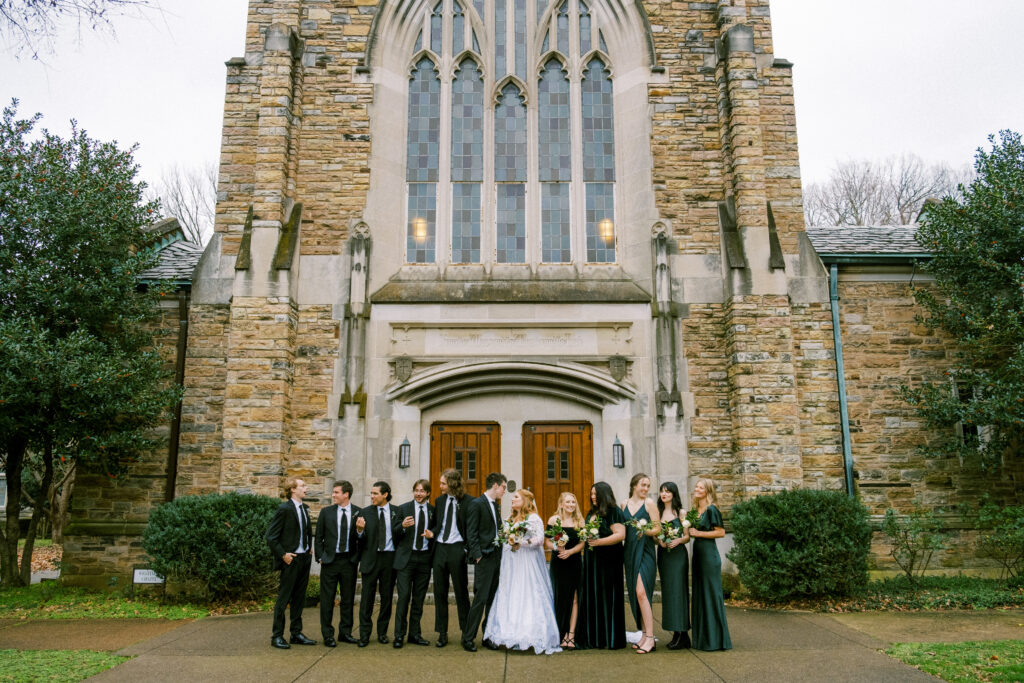
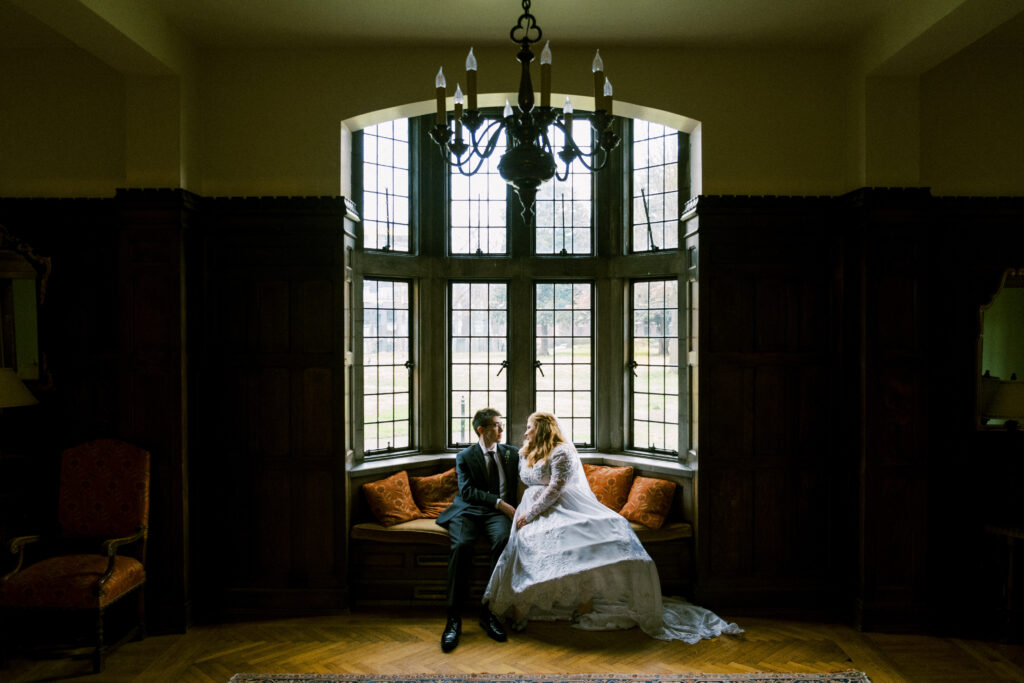

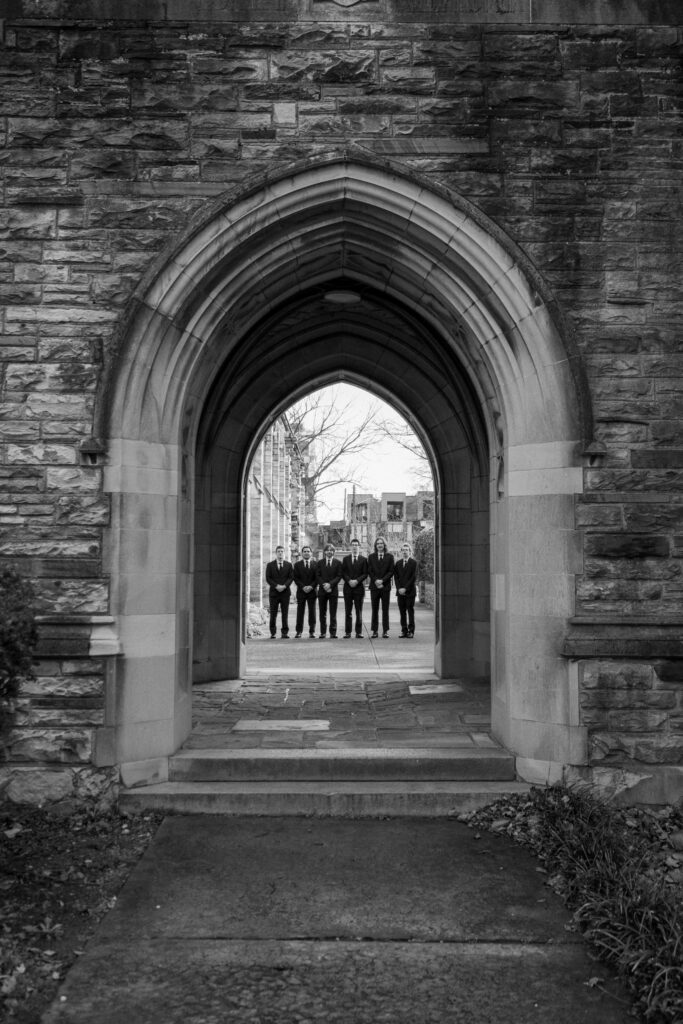
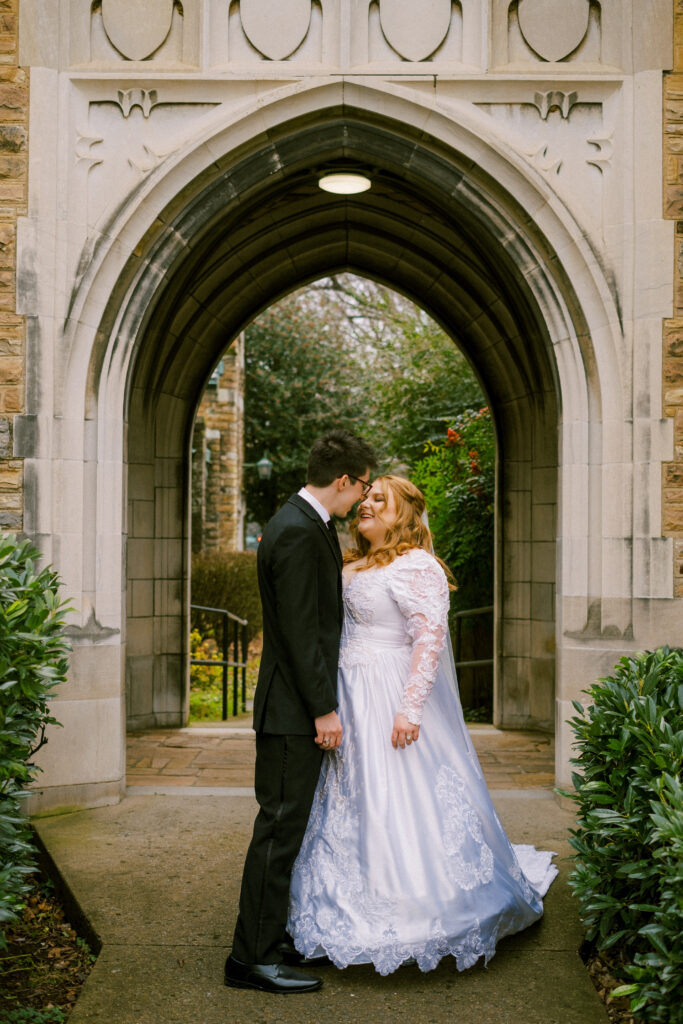
See a real Wightman Chapel at Scarritt-Bennett Center Wedding HERE
OTHER VENUES WORTH MENTIONING
South Union Shaker Village (Auburn, KY) & Shaker Village of Pleasant Hill (Harrodsburg, KY)
South Union Shaker Village was founded in 1807, and Shaker Village of Pleasant Hill in 1805, as a communal religious settlements. The Shakers were firm believers in equality of the sexes and races long before such ideas were widespread. The Shaker Villages were not plantations and have no documented historical ties to the system of slavery. Today, they operate as museums preserving Shaker heritage in Kentucky. Both surrounded by gorgeous Kentucky farmland, you can host a quintessential country wedding at these unique locations.
Spalding Hall (Bardstown, KY)
Built in the 1820s as part of St. Joseph’s College (the first Catholic college in Kentucky), Spalding Hall has served as a school, a Civil War hospital for Union soldiers, and now a museum space. Its documented history speaks on education and community use. While slavery existed in the broader region before the Civil War, there’s no record of Spalding Hall being sustained by enslaved labor.
Potter Farm (Bowling Green, KY)
The barn and home on this property were built in the 1880s by John W. Potter, son of Moses & Elinor Potter. The Potters arrived in Kentucky in the late 1700s, began farming in Warren County in the 1880s, and were reputed as “some of the most successful farmers in the area”. Unfortunately, we know this can be chalked up to the fact that several of John W. Potter’s relatives, including his grandfather (Frederick Potter) and uncle (Pleasant J. Potter) were both slaveholders. For this reason, we must attribute much of the Potter family’s agricultural success to the enslaved individuals who were forced to work for them. Despite this, neither John W. Potter nor his farming parents were documented to have owned slaves themselves. And since the property that Potter Farm sits on, (including all of its structures) were all developed in the late 1880s, we know that slave labor would not have been utilized.
Peterson-Dumensil House (Louisville, KY)
This historic home and local Louisville landmark is an Victorian Italianate-style mansion built in 1869. It once served as the summer home of Joseph Peterson, a wealthy tobacco baron. It now operates as a non-profit community center.
In 2022, the board of directors for the house wanted to provide more transparency to the community on the home’s “racial workforce history” and uncover previous ties to slavery between the house, the family who built it, and the land itself. A team of young professionals associated with the organization Ignite Louisville spent six months diving into historical records, meeting with historians, collaborating with other historic homes who have done similar research, and collecting oral history from descendants. Through over a dozen sources, the team collected initial findings to draft new collateral and guided the process for the Peterson-Dumensil Foundation to implement a DE&I statement. Ignite Louisville noted that “[As with] other historic homes, full research takes years and even decades. The team created infrastructure for collecting new information and partnered with the University of Louisville to hire a part-time researcher.”
I could not find any record of this research online, but available online search results did not suggest a direct, documented history of enslaved people at the site. And while wealthy individuals and tobacco-related industry in Kentucky in the 1800s frequently utilized enslaved labor, there are no online records to indicate that Joseph Peterson himself did.
WHY THIS MATTERS
Historic venues can be breathtaking backdrops for a wedding day, and there are many that allow couples to celebrate responsibly. It’s 2026, and venue history MATTERS — not because couples or venues have bad intentions, but because the damage caused by slavery and racism is embedded into American history forevermore. It is not a historical bygone; it is a cultural disease that needs to be acknowledged and reckoned with.
Plantations and historical properties with ties to slavery are not suitable spaces for celebrating the happiest day of one’s life, but rather sites with a deep history of suffering for Black Americans and their ancestors. Acknowledging this history helps us move forward as a collective. We can celebrate Kentucky’s beauty & charm responsibly without ignoring the pain and injustice that paved the way.
OUR PERSONAL COMMITMENT
As Kentucky wedding photographers, we are committed to learning from the past and making choices that honor our Black clients and all couples who trust us to document their most important moments.
Photography, at its core, is the art of preserving history. As documentary wedding photographers, we capture our couples and their wedding celebrations through an honest, thoughtful lens. Forgetting the painful truths of the past does no favors for our future. This is why we strive to celebrate love in ways that honor and uplift people of all races, orientations, and backgrounds.
If you’re looking for Kentucky wedding photographers who create images that reflect both your joy and your values, we’d be honored to document your day.
How to vet potential wedding venues on your own
I’m sure there are venues that I did not list here, so as you are shopping around, here is a good rule of thumb to keep in mind while vetting historic venues: If a venue was built before 1865, there may be records of enslaved labor. Some venues share this information openly (and you shouldn’t be afraid to ask), but if not, public historical records are typically available online. Google “[venue name, city, state] history of slavery”.
*If we missed any venues that you think should be on this list, or if any of the information here is incorrect, please drop us a comment! We would love to keep this list updated as a growing resource for couples planning their weddings in Kentucky.


+ Comments